


SEO Title
Ruby Gemstone Guide: Colour, Quality, Certification & Buying Tips
Meta Description
Discover how to choose a Ruby Gemstone by colour, clarity, cut, carat, treatment and certification, plus expert tips for buying and caring for ruby jewellery.
Suggested URL Slug
/ruby-gemstone-buying-guide
Focus Keyword
Ruby Gemstone
Introduction
A Ruby Gemstone is one of the most recognised and traditionally valued coloured gemstones in the world. Its rich red appearance, natural brilliance and excellent durability have made ruby a popular choice for fine jewellery, including rings, earrings, pendants and necklaces.
Ruby is especially known for its red colour, although natural stones can display a range of red appearances, from vivid red to purplish-red or pinkish-red depending on their composition and other gemological characteristics.
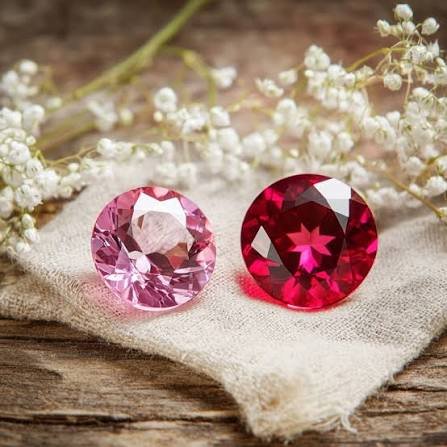
The product shown in the accompanying image features two red/pink gemstones with a polished, jewellery-ready appearance. However, visual appearance alone cannot establish whether a stone is natural or synthetic, its exact treatment status, origin, carat weight or quality grade. Those details should be confirmed through documented product specifications and, where appropriate, an independent laboratory report.
In this guide, we will explain what ruby is, how its colour and quality are evaluated, the difference between natural, synthetic and treated ruby, how Ruby Gemstone Price can vary, and what to check before purchasing a ruby.
What Is Ruby Gemstone?
Ruby is the red variety of the mineral corundum, whose chemical composition is aluminium oxide (Al₂O₃).
Corundum is an important gemstone mineral because it occurs in different colours. The red variety is called ruby, while other colours of gem-quality corundum are generally classified as sapphire. In simple terms, ruby and sapphire belong to the same mineral family, but their colours and gemological classifications differ.
Ruby’s characteristic red colour is primarily associated with chromium present in the corundum crystal structure. The amount and distribution of colouring elements can contribute to differences in colour appearance.
Not every red gemstone is a ruby. Other gemstones can also appear red, including red spinel, garnet and certain varieties of tourmaline. Proper identification therefore requires gemological examination rather than colour alone.
Ruby Gemstone Key Characteristics
When evaluating a Natural Ruby Gemstone, several characteristics should be considered together rather than focusing on just one feature.
1. Colour
Colour is one of the most important factors in ruby evaluation. Buyers commonly look at:
- Hue — the basic red appearance and any secondary colour
- Tone — how light or dark the stone appears
- Saturation — the strength or intensity of the colour
Vivid, attractive red colour is generally highly sought after, but the ideal appearance is also a matter of personal preference and market context.
2. Clarity
Clarity refers to internal inclusions and surface characteristics within a gemstone.
Natural rubies frequently contain inclusions. In fact, inclusions can sometimes provide useful information during gemological examination. A ruby that appears completely inclusion-free should not automatically be assumed to be superior or natural; its overall identity and treatment status need to be evaluated.
3. Cut
The cut determines how effectively a ruby interacts with light.
A well-executed cut can improve:
- Brightness
- Visual balance
- Symmetry
- Face-up appearance
- Overall presentation
Ruby cuts may include oval, cushion, round, pear and other shapes.
4. Carat Weight
Carat is a unit of gemstone weight. Two rubies with the same carat weight can have different dimensions depending on their shape and cutting style.
For a particular product, buyers should verify:
Carat Weight: [Carat Weight]
Measurements: [Dimensions]
5. Durability
Ruby is a durable gemstone with a Mohs hardness of approximately 9, making it suitable for many types of jewellery, including rings.
However, hardness is not the same as complete resistance to damage. A ruby can still be scratched, chipped or damaged by impact, particularly depending on its inclusions, fractures, cut and setting.
6. Transparency
Transparency describes how much light can pass through the gemstone.
Rubies may range from transparent to translucent or more opaque. The degree of transparency can influence appearance and value, although it should always be considered alongside colour, clarity, size and other factors.
7. Luster
Luster refers to the way a gemstone’s surface reflects light. Ruby generally has a vitreous, or glass-like, luster when properly polished.
A good polish can contribute significantly to a ruby’s visual appeal.
8. Natural vs Treated Ruby
A ruby may be:
- Natural and untreated
- Natural and treated
- Synthetic/lab-created
- In some cases, composite or imitation material
Treatment status is important because it can affect value, durability, appearance and care requirements.
Ruby Colour Guide
Ruby is associated with red, but not every ruby has exactly the same shade.
Vivid Red
A strong, saturated red appearance can create an especially striking visual effect. Stones with attractive vivid colour may be highly sought after.
Purplish-Red
Some rubies display a red colour with a noticeable purple component. The balance between red and secondary colour can influence the stone’s overall appearance.
Pinkish-Red
Some corundum gemstones show a lighter red or pinkish-red appearance. Classification between ruby and pink sapphire can depend on applicable gemological and market standards.
What About “Pigeon Blood” Ruby?
“Pigeon blood” is a traditional trade term associated with a particularly desirable appearance of ruby colour. It should not be treated as an automatic description for every vivid red ruby.
The term can be used differently across markets and laboratories, so buyers should look at the actual laboratory description and documented characteristics rather than relying on the phrase alone.
Colour can have a substantial effect on ruby value, but it is only one part of the evaluation.
Natural Ruby vs Synthetic Ruby vs Treated Ruby
| Category | Meaning | What Buyers Should Check |
|---|---|---|
| Natural Ruby | Ruby formed naturally through geological processes | Natural status, treatment, origin if documented and laboratory report |
| Synthetic/Lab-Created Ruby | Ruby with essentially the same chemical and crystal characteristics as natural ruby but created by humans | Clear disclosure of synthetic origin and appropriate documentation |
| Treated Ruby | A natural ruby that has undergone a process to alter or improve its appearance | Treatment type, extent of treatment and care requirements |
Natural Ruby
A natural ruby is formed naturally in the Earth. Natural does not necessarily mean untreated or high quality. A natural stone may have undergone treatments after mining.
Synthetic Ruby
A synthetic ruby is laboratory-created material with the same basic mineral identity and crystal chemistry as ruby, but it is not naturally formed.
Synthetic does not simply mean “fake”; it is a specific gemological category. However, it should always be clearly disclosed.
Treated Ruby
A treated ruby is a natural ruby that has been subjected to a treatment process. Treatment can improve colour, clarity or overall appearance.
The important point for buyers is full disclosure.
Ruby Treatments
Heat Treatment
Heat treatment is one of the important treatments encountered in ruby.
The purpose may include improving or modifying the gemstone’s colour and/or clarity. Heat treatment can be an accepted practice in the gemstone trade, but disclosure remains important because treatment status can influence market value, rarity considerations and care requirements.
When purchasing a ruby, ask:
- Is the ruby natural?
- Has it been heat treated?
- Is any other treatment present?
- Is the treatment documented?
- Does the treatment affect recommended care?
- Is the treatment stated on the laboratory report?
For the featured product, the treatment status should be confirmed from the seller’s documentation:
Treatment: [Treatment]
How to Choose a Ruby Gemstone
A thoughtful Ruby Buying Guide should focus on several factors.
Colour
Start by examining the colour in neutral lighting. Look at hue, tone and saturation rather than relying only on product photography.
Clarity
Ask whether visible inclusions are present and whether they affect transparency or durability.
Cut
Look for balanced proportions, symmetry and a good polish. The gemstone should have an attractive face-up appearance.
Carat
Compare both carat weight and actual dimensions. A larger carat weight does not automatically mean a better gemstone.
Origin
Origin can be an important part of ruby documentation, particularly for collectors and buyers interested in provenance.
However, origin should be accepted as documented information rather than inferred from appearance.
Origin: [Origin, if documented]
Treatment
Always ask whether the stone has been treated and what treatment was used.
Certification
For a higher-value purchase, an independent gemological report can help establish characteristics such as gemstone identity, natural/synthetic status and treatment information, depending on the laboratory and report.
Seller Transparency
A trustworthy seller should be able to provide clear information about:
- Stone identity
- Weight
- Measurements
- Treatment
- Certification
- Product terms
- Return policy
Budget
There is no single fixed Ruby Gemstone Price. Price can vary significantly depending on colour, clarity, size, cut, origin, treatment status, certification and broader market conditions.
Instead of choosing solely by price, compare the documented characteristics of the stones you are considering.
Ruby Gemstone Certification
A gemstone certificate, more accurately called a gemological report in many professional contexts, provides documented information about a gemstone’s characteristics.
Depending on the laboratory and report, it may include:
- Gemstone identification
- Natural or synthetic status
- Treatment information
- Carat weight
- Measurements
- Colour description
- Sometimes geographic origin
- Report number and security features
An independent laboratory report can be particularly useful when purchasing a higher-value ruby because it provides information from a specialist gemological organisation rather than relying solely on a seller’s description.
However, a certificate should not automatically be treated as a guarantee of quality or value. The reputation and methodology of the issuing laboratory, the exact wording of the report and the gemstone’s documented characteristics all matter.
For this product:
Certificate Details: [Certificate Details]
Ruby Jewellery
Ruby’s intense red appearance makes it versatile for both classic and contemporary jewellery designs.
Ruby Rings
Ruby rings can make a strong statement while offering the durability required for regular jewellery use. The setting should still provide appropriate protection for the stone.
Ruby Earrings
Ruby earrings can add a concentrated touch of colour and can work particularly well with both traditional and modern designs.
Ruby Pendants
A ruby pendant allows the gemstone to remain the visual focal point without exposing it to as much direct impact as a ring may experience.
Ruby Necklaces
Ruby necklaces can combine multiple stones or feature a central ruby in a more elaborate design.
Ruby Bracelets
Ruby bracelets can incorporate ruby accents, individual stones or repeating gemstone patterns.
The Featured Product
The product image shows two polished red/pink gemstones, creating a rich and elegant visual contrast against the neutral presentation of the stones. Their colour makes them suitable for jewellery designs where the gemstone itself is intended to remain the focal element.
The exact gemstone variety, natural status, treatment, origin, dimensions and carat weight should be confirmed through the product specifications rather than inferred from the image.
Ruby Care & Cleaning Guide
Ruby is relatively durable, but proper care can help preserve its appearance.
Avoid Scratches and Hard Impacts
Although ruby is hard, it can still be damaged. Avoid wearing ruby jewellery during activities where the stone could receive strong impact.
Keep Away from Harsh Chemicals
Household chemicals, strong cleaning agents and certain substances used around cosmetics can potentially affect jewellery components or treatments.
General Cleaning
For many ruby jewellery pieces, gentle cleaning with lukewarm water, mild soap and a soft brush or cloth is a practical approach.
Rinse carefully and dry with a soft, lint-free cloth.
Store Separately
Store ruby jewellery separately from softer gemstones to reduce the risk of scratching other jewellery.
A soft-lined jewellery box or individual pouch can help.
Professional Cleaning
Professional cleaning can be considered periodically, especially for valuable or intricate jewellery.
If a ruby has undergone a treatment, ask the jeweller or gemological professional whether any specific cleaning restrictions apply. Certain treatments may require additional care.
Ruby Buying Checklist
Before purchasing a Natural Ruby Stone, check:
- ✓ Natural or synthetic status
- ✓ Treatment disclosure
- ✓ Colour
- ✓ Clarity
- ✓ Cut
- ✓ Carat weight
- ✓ Measurements
- ✓ Origin, if documented
- ✓ Lab report/certificate
- ✓ Seller details
- ✓ Return policy
- ✓ Any applicable treatment-related care instructions
For the featured product, the specifications should be completed as follows:
Carat Weight: [Carat Weight]
Dimensions: [Dimensions]
Origin: [Origin]
Treatment: [Treatment]
Certificate: [Certificate Details]
Ruby Gemstone Benefits: What Is Fact and What Is Belief?
The phrase “Ruby Gemstone Benefits” is commonly used in gemstone and astrology-related searches.
From a gemological perspective, ruby’s established characteristics include its red colour, corundum mineral composition, high hardness and use in jewellery.
In traditional astrology, ruby is associated with various symbolic or spiritual meanings. These are traditional astrological beliefs rather than scientifically established effects. Claims that wearing ruby can guarantee health, wealth, success or other specific outcomes should therefore not be presented as proven facts.
For buyers primarily interested in the gemstone itself, its colour, craftsmanship, documented characteristics and suitability for jewellery are more objective factors to evaluate.
