


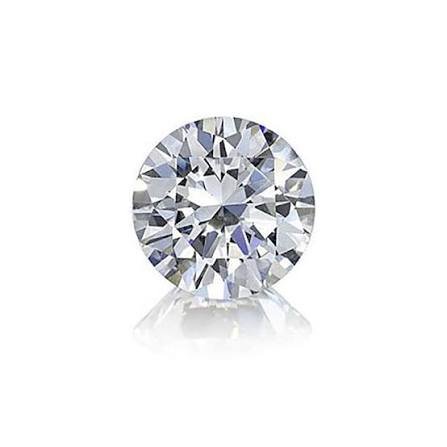
A well-presented diamond has a unique ability to capture attention through light, brilliance, and timeless elegance. The diamond shown in the product image has a classic round appearance, with a bright face-up presentation and a clearly visible pattern of reflective facets. Its symmetrical outline and lively contrast between bright and darker facet reflections give it an elegant, traditional diamond aesthetic.
For anyone researching diamonds for an engagement ring, fine jewelry, an anniversary gift, or a personal collection, understanding what you see—and what you cannot determine from an image—is important. A photograph can reveal aspects of a diamond’s visual appearance, but it cannot independently confirm its exact carat weight, color grade, clarity grade, cut grade, origin, price, or whether it is natural or laboratory-grown.
The final quality and value of this particular diamond should therefore be established using its product documentation and, where applicable, a reputable gemological grading report.
What Makes This Diamond Special?
The most noticeable characteristic of the diamond in the image is its round, symmetrical appearance. The stone displays numerous geometric facets that create a dynamic pattern of light and contrast across its surface.
The image also shows a strong face-up presentation. Bright areas appear alongside darker reflections, creating the visual contrast that many diamond buyers associate with sparkle. This interaction of light and facet reflections can make a diamond look lively and engaging.
The stone is presented as a loose diamond against a clean, light background, allowing its outline and faceting to remain the primary focus. This type of presentation is particularly useful when evaluating the overall visual character of a diamond before considering how it might look in a jewelry setting.
However, it is important not to confuse photographic appearance with a laboratory grade. Lighting, photography equipment, camera exposure, background, and image processing can all influence how a diamond appears in a photograph.
A Classic and Versatile Look
Round diamonds are popular because their traditional shape works exceptionally well with many jewelry designs. A round diamond can become the centerpiece of a solitaire engagement ring, complement a halo design, or serve as an elegant stone in earrings, pendants, and other fine jewelry.
The symmetrical appearance visible in this image contributes to the diamond’s classic appeal.
Diamond Shape and Appearance
Based on the uploaded image, the diamond appears to have a round shape. The outline is circular rather than elongated, and the visible faceting creates the characteristic geometric appearance associated with a round-cut diamond.
Round diamonds are particularly popular because their shape is highly versatile. They can suit contemporary, classic, minimalist, and vintage-inspired jewelry styles.
The apparent round shape also makes the diamond suitable for buyers who prefer a traditional look with strong visual symmetry.
It is worth noting that shape identification from an image is not the same as confirming a formal cutting classification. The exact proportions, facet arrangement, measurements, and cut grade should be confirmed from professional gemological documentation.
Understanding Diamond Quality: The 4Cs
When buying a diamond, four major characteristics are traditionally used to evaluate its quality: Cut, Color, Clarity, and Carat Weight.
Together, these are known as the 4Cs of diamonds.
1. Diamond Cut
Cut describes how effectively a diamond’s facets interact with light. It is one of the most important factors affecting a diamond’s visual performance.
A well-cut diamond can return light toward the viewer, producing attractive brilliance, fire, and scintillation. A diamond with less effective proportions or facet alignment may appear less lively, even if it has a high carat weight or a desirable color and clarity.
For the diamond shown in the image, its exact cut grade cannot be established from the photograph alone. The image does show a lively pattern of bright and dark facet reflections, but the official cut assessment should come from a qualified gemological evaluation.
2. Diamond Color
Diamond color refers to how much body color is visible in a diamond. For many traditional white diamonds, grading systems assess color on a scale ranging from colorless to increasingly noticeable body color.
A diamond with less visible color may have a bright, crisp appearance, while diamonds with more noticeable warmth can offer a different aesthetic and may appeal to buyers depending on their preferences and jewelry setting.
The image alone does not establish the diamond’s official color grade. Lighting and photography can significantly affect perceived color, so the exact grade should be confirmed through the diamond’s certificate or professional evaluation.
3. Diamond Clarity
Clarity relates to naturally occurring characteristics within a diamond and surface characteristics on or near the stone. Internal characteristics are commonly referred to as inclusions, while surface characteristics are known as blemishes.
Clarity can influence both appearance and price. However, a higher clarity grade does not automatically mean that every buyer will see a dramatic visual difference. Some characteristics may be extremely difficult to see without magnification.
For the diamond pictured, the available image is not sufficient to determine its clarity grade. A proper clarity assessment requires controlled examination, typically using magnification and professional grading standards.
4. Diamond Carat Weight
Carat refers to the weight of a diamond, not directly to its physical dimensions or visual size.
Two diamonds with the same carat weight can appear somewhat different in size depending on their proportions, shape, depth, and cutting characteristics.
The diamond in the uploaded image does not provide enough information to determine its exact carat weight. A scale measurement or official product documentation is required to confirm this specification.
Diamond Cut and Sparkle
Sparkle is one of the main reasons diamonds attract so much attention.
When light enters a diamond, its facets can reflect and redirect that light. The visual result can include several different types of optical effects.
Brilliance refers broadly to the brightness created by light returned from the diamond.
Fire describes flashes of spectral colors that can appear as white light is dispersed.
Scintillation refers to the flashes of light and dark that become noticeable as the diamond, observer, or light source moves.
The diamond shown in the image displays a noticeable contrast between bright and darker facet reflections. This creates a visually active appearance.
Nevertheless, a photograph represents the diamond under one particular lighting and camera setup. For an accurate assessment of light performance, buyers should examine the stone in person or review reliable professional documentation and videos when available.
Diamond Color: What Buyers Should Know
Color is an important consideration when choosing a diamond.
A traditional white diamond with minimal visible body color can have a crisp appearance, while a diamond with warmer tones may look different depending on the metal used for the jewelry.
For example, a diamond set in white metal may be selected with color considerations that differ from a diamond placed in yellow or rose gold.
There is no single color choice that is right for every buyer. Budget, personal taste, jewelry design, and the appearance of the individual diamond all matter.
For this particular stone, the exact color grade should be confirmed separately rather than inferred from the photograph.
Diamond Clarity and Visual Appearance
Clarity is another important part of diamond selection.
Buyers should remember that clarity is a grading characteristic, while eye-clean appearance is a visual consideration. A diamond may have characteristics that are recorded in a grading report but are difficult to see without magnification.
When comparing diamonds, it can therefore be helpful to consider both the official clarity grade and the actual appearance of the stone.
The image provided does not offer sufficient magnification or controlled conditions to establish a professional clarity grade for this diamond.
Natural vs. Lab-Grown Diamond
One important question for modern diamond buyers is whether a diamond is natural or laboratory-grown.
Natural diamonds form through geological processes deep within the Earth over extremely long periods. Laboratory-grown diamonds are produced using controlled technological processes that create diamond material with essentially the same basic chemical composition and crystal structure as natural diamond.
The two categories can differ in origin, pricing, production method, and consumer preferences.
Importantly, the uploaded image does not establish whether this particular diamond is natural or lab-grown. Buyers should check the product description, grading report, laser inscription where applicable, and seller documentation before making that determination.
Why Diamond Certification Matters
A reputable diamond grading report can provide important information that cannot reliably be determined simply by looking at a product photograph.
Depending on the report, documentation may identify characteristics such as:
- Carat weight
- Color grade
- Clarity grade
- Cut-related information
- Measurements
- Diamond shape
- Additional identifying characteristics
- Whether the diamond is natural or laboratory-grown, where applicable
For this diamond, the exact specifications should be confirmed from its actual certificate or product documentation.
Buyers should also verify that the certificate corresponds to the specific diamond being purchased.
How to Choose the Right Diamond
Choosing a diamond is both a personal and practical decision. Consider the following factors before purchasing.
Choose the Right Cut
For buyers who prioritize sparkle and visual brightness, cut deserves careful attention. Do not select a diamond based on carat weight alone.
Consider Carat According to Your Budget
A larger carat weight may provide greater visual presence, but it is only one component of diamond quality. Consider the overall balance of the 4Cs rather than focusing exclusively on weight.
Understand Color and Clarity
Color and clarity should be evaluated together with the diamond’s actual appearance. Depending on the setting and personal preferences, buyers may be able to choose a lower grade while still achieving an attractive visual result.
Check the Certification
If a diamond is represented as certified, review the grading report carefully. Confirm that the report belongs to the diamond being offered.
Compare Diamonds Under Appropriate Lighting
A diamond can look dramatically different under different lighting environments. If possible, view competing stones under multiple lighting conditions rather than relying on a single photograph.
Buy From a Trustworthy Seller
Choose a seller that provides clear product information, transparent policies, appropriate documentation, and a clear return or exchange policy where applicable.
How to Care for Your Diamond
Although diamonds are exceptionally hard, a diamond is not completely immune to damage. Proper care helps preserve its appearance and the condition of the jewelry holding it.
Clean the Diamond Regularly
Oil, dust, cosmetics, and everyday residue can reduce the amount of light entering and leaving the stone. Regular gentle cleaning can help maintain its brilliance.
Store It Safely
When the diamond is part of jewelry, store the piece separately from other items when possible. This can help reduce scratching and accidental contact.
Avoid Harsh Chemicals
Household chemicals, strong cleaning agents, and inappropriate jewelry-cleaning solutions may damage the setting or other components of the jewelry.
Arrange Periodic Professional Inspections
For a diamond mounted in a ring, earrings, or another piece of jewelry, periodic professional inspection can help identify loose prongs, worn settings, or other issues before they become serious.
Protect the Jewelry From Accidental Damage
Remove diamond jewelry when participating in activities where the piece could experience significant impact, pressure, or abrasion.
Diamond for Engagement Rings, Jewelry & Gifting
A round diamond offers exceptional versatility for jewelry.
For an engagement ring, its symmetrical appearance can create a traditional and elegant centerpiece. A solitaire setting can emphasize the individual stone, while a halo design can create a more elaborate appearance.
For wedding jewelry, a round diamond can complement other pieces without overwhelming the overall look.
As an anniversary gift, a diamond can symbolize enduring affection and an important shared milestone.
Diamonds can also make meaningful gifts for birthdays, celebrations, personal achievements, or other memorable occasions.
The stone pictured has a classic visual character that can work particularly well for buyers looking for a timeless rather than highly unconventional diamond appearance.
Why Diamonds Remain a Timeless Choice
Diamonds continue to hold a special place in jewelry because of their combination of visual beauty, durability, craftsmanship, and symbolism.
For many people, a diamond represents a meaningful moment rather than simply a piece of jewelry. An engagement ring can represent commitment. An anniversary diamond can mark years of shared memories. A personal diamond purchase can celebrate an achievement or milestone.
At the same time, buyers should distinguish emotional and aesthetic value from financial investment expectations. Diamond prices depend on many factors, including quality, characteristics, market conditions, and the specific stone.
The strongest reason to choose a diamond should ultimately be that i
