


Introduction: Discover the Beauty of Natural Citrine Rough
Warm, golden, and full of natural character, Natural Citrine Rough offers a distinctive way to appreciate the beauty of gemstones in their unpolished form. Known for its yellow-to-orange color range, citrine is a variety of quartz that appeals to gemstone collectors, crystal enthusiasts, jewelry designers, and anyone who appreciates natural mineral specimens.
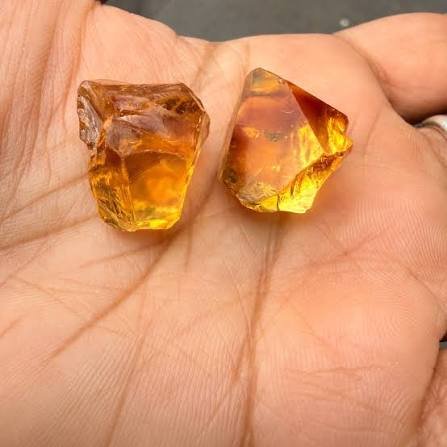
Unlike polished gemstones with smooth surfaces or faceted stones designed to maximize brilliance, a Raw Citrine Stone retains its original rough appearance. Its irregular contours, crystal surfaces, subtle color variations, and possible inclusions make each specimen visually distinctive.
Natural Citrine Rough can be displayed in a mineral collection, incorporated into creative projects, studied as part of a geology collection, or evaluated for potential lapidary work. Citrine also has a long-standing association with optimism and prosperity in crystal traditions, adding cultural interest to its golden appearance.
However, appearance alone cannot confirm whether a specimen has natural color or has undergone treatment. Understanding its mineral properties, geological formation, and treatment history can help you make a more informed purchase.
In this guide, we explore everything you need to know about the Citrine Gemstone, from its physical characteristics to practical buying advice.
What Is Natural Citrine Rough?
Citrine is the yellow-to-orange variety of quartz, a common mineral composed primarily of silicon dioxide. It belongs to the quartz group within the broader silicate mineral family.
Its chemical formula is SiO₂, and its hexagonal crystal system gives quartz crystals their characteristic six-sided prismatic form, although rough specimens may be irregular, broken, clustered, or naturally modified by their geological surroundings.
Citrine’s yellow-to-orange coloration is associated with trace iron and the conditions affecting its color centers within the quartz structure.
The term rough means that the gemstone has not been cut and polished into a finished shape. A Rough Yellow Quartz specimen may retain natural-looking crystal faces, uneven edges, surface markings, fractures, and other features that reveal its individual character.
Rough, polished, and faceted citrine
- Rough citrine: Uncut material valued for its raw appearance, crystal form, and potential as a mineral specimen.
- Polished citrine: Material shaped and smoothed to create a glossy surface while retaining a relatively simple form.
- Faceted citrine: A cut gemstone with carefully arranged flat surfaces designed to reflect light and enhance brilliance.
Collectors often appreciate rough gemstones because they preserve more of the specimen’s original form. Nevertheless, an attractive rough crystal is not necessarily suitable for faceting; internal fractures, transparency, size, and the distribution of color all influence its cutting potential.
Physical and Gemological Properties of Citrine
The following table summarizes typical properties of citrine as a quartz variety. These are general mineral references, not laboratory findings for the specific product being sold.
| Property | General description |
|---|---|
| Gemstone name | Citrine |
| Mineral species | Quartz |
| Chemical formula | SiO₂ |
| Mohs hardness | 7 |
| Crystal system | Trigonal, within the hexagonal crystal family |
| Typical color range | Pale yellow, golden yellow, honey, yellow-orange, brownish orange, and reddish orange |
| Transparency | Transparent to translucent; some rough material may appear opaque because of inclusions, coatings, or surface condition |
| Luster | Vitreous, or glass-like, on suitable fresh surfaces |
| Cleavage and fracture | No distinct cleavage; conchoidal to irregular fracture |
| Specific gravity | Approximately 2.65–2.66 |
| Common geological occurrence | Quartz-bearing veins, hydrothermal environments, and some pegmatitic settings |
Important distinction: The values above describe typical citrine and quartz. They do not verify the composition, treatment status, transparency, exact hardness, or geological origin of an individual specimen. A photograph cannot establish those properties conclusively.
Natural Citrine Rough: Color, Appearance, and Characteristics
One of the most appealing features of a Citrine Gemstone is its warm color range. Depending on the specimen, the appearance may include pale lemon yellow, golden yellow, honey tones, orange-yellow shades, or deeper brownish-orange hues.
Rough crystals may also show:
- Irregular shapes: Broken fragments, uneven crystal faces, clusters, or recognizable prismatic forms.
- Natural surface textures: Ridges, small pits, growth markings, and rough edges.
- Different levels of transparency: Some areas may transmit light, while other sections appear cloudy or opaque.
- Inclusions and fractures: Internal features can create interesting patterns but may affect durability or cutting suitability.
- Color zoning: Yellow and orange tones may vary across a single specimen rather than appearing perfectly uniform.
When viewing the product photograph, focus on the visible color, silhouette, surface texture, and overall presentation. These details can help you understand the specimen’s visual appeal, but they cannot independently prove that the stone is natural, untreated, or from a particular locality.
Every individual Rough Citrine Gemstone can differ in appearance. Such variation is part of the appeal of collecting rough minerals, provided that the seller clearly describes what is being offered.
How Is Citrine Formed?
Quartz develops when silica crystallizes under suitable geological conditions. Citrine can occur in quartz-bearing veins and other mineral-forming environments where temperature, pressure, fluid chemistry, and trace elements support crystal growth.
Its yellow-to-orange color is associated with iron-related defects and color centers in the quartz. The exact mechanism can vary with the specimen’s geological history.
Natural citrine versus heat-treated amethyst
Natural-color citrine forms through geological processes without deliberate commercial color treatment. Natural citrine is relatively uncommon compared with commercially available heat-treated material.
A substantial proportion of citrine sold in the gemstone trade is produced by heating amethyst, a purple variety of quartz. Heating can alter the color centers responsible for amethyst’s appearance, producing yellow, orange, or brownish-orange tones.
Heat treatment does not automatically mean a gemstone is fake: heat-treated amethyst is real quartz, but it should be accurately disclosed rather than represented as naturally colored citrine.
Visual inspection alone cannot reliably determine whether a yellow or orange quartz specimen formed with its present color naturally or acquired that color through treatment.
Natural Citrine vs. Heat-Treated Citrine
Both naturally colored citrine and heat-treated quartz can be genuine quartz. The key distinction is the origin of the color and whether the treatment has been disclosed.
| Feature | Natural-color citrine | Heat-treated citrine |
|---|---|---|
| Color | May range from pale yellow to golden or orange tones | May range from yellow to orange or reddish orange |
| Color development | Geological processes | Deliberate heating of suitable quartz, commonly amethyst |
| Appearance | Can show natural inclusions, zoning, and varied crystal forms | Can also show zoning, inclusions, and varied crystal forms |
| Market considerations | Natural-color material is relatively uncommon | Common in the commercial citrine market |
| Buyer verification | Seller documentation and gemological testing | Treatment disclosure and appropriate gemological examination |
| Visual identification | Color is not conclusive proof | Color is not conclusive proof |
The color ranges overlap, so no single shade establishes whether a specimen is naturally colored or heat-treated. Ask the seller to explain the basis for any treatment claim and seek professional testing if the distinction is important to your purchase. <Cite refs={[“turn159841search0″,”turn159841search1″,”turn159841search7”]}/>
Benefits and Spiritual Significance of Citrine
In crystal traditions, citrine is associated with sunlight, optimism, creativity, confidence, abundance, and prosperity. Its golden appearance has made it a popular symbolic choice for people who want to mark a new goal, celebrate a milestone, or create a positive personal ritual.
Traditional Natural Citrine Benefits commonly include:
- Abundance and prosperity: A symbolic reminder to pursue opportunities and manage resources thoughtfully.
- Confidence: Associated with self-belief and purposeful decision-making.
- Creativity: Used as a focus for brainstorming and artistic activities.
- Optimism: Its warm color may serve as a personal reminder to approach challenges constructively.
- Personal growth: Often incorporated into journaling, meditation, or intention-setting practices.
These are cultural and spiritual associations, not established scientific effects. Citrine has not been shown to guarantee wealth, cure illnesses, or reliably change a person’s energy or circumstances. Enjoy its symbolism as a matter of personal meaning rather than a substitute for professional healthcare or financial advice.
Uses of Natural Citrine Rough
A Raw Citrine Stone can serve many purposes beyond conventional jewelry.
- Gemstone collections: Add a yellow quartz specimen to a collection organized by mineral type, color, or crystal form.
- Decorative displays: Present rough crystals on a shelf, desk, or mineral stand.
- Crystal collections: Include citrine in a collection built around color, symbolism, or personal interest.
- Jewelry and lapidary projects: Explore cutting, cabochon making, or custom settings when the material’s condition is suitable.
- Educational collections: Use a specimen to discuss quartz, crystal growth, mineral hardness, and geological processes.
- Photography and creative projects: Capture its textures and warm colors in still-life compositions or use it as an artistic reference.
- Gifts: Choose a specimen for someone who enjoys minerals, geology, handmade jewelry, or meaningful decorative objects.
Before cutting a rough specimen, have its transparency, dimensions, fractures, and potential yield assessed by an experienced lapidary professional. Not every rough piece can produce a durable or attractive finished gemstone.
How to Identify a Genuine Citrine Stone
When shopping for Genuine Citrine Stone specimens, use a combination of seller information, documentation, and professional evaluation rather than relying on a single visual clue.
A practical buyer’s checklist
- Inspect the crystal: Look at its overall form, surface features, fractures, inclusions, and color distribution.
- Question unusually strong claims: A bright orange color, natural-looking surface, or attractive crystal shape is not proof of natural origin.
- Consider imitations: Glass and other materials can imitate quartz’s color and transparency. Some laboratory-grown quartz can also resemble natural material.
- Request clear photographs: Ask for multiple angles, close-ups, and images under neutral lighting. Photography and screen settings can alter apparent color.
- Ask about treatment: Confirm whether the seller is describing natural color, heat-treated material, or a specimen whose treatment status is unknown.
- Check documentation: If a certificate or laboratory report is offered, verify that it corresponds to the exact stone being sold.
- Consult a qualified professional: A gemologist or gemological laboratory can use appropriate testing to investigate identity and, where possible, origin of color and treatment.
No simple home test can conclusively authenticate citrine or prove that its color is untreated. Some cases require advanced examination, and even laboratory conclusions depend on the available evidence. Transparent disclosure is essential to an informed purchase. <Cite refs={[“turn159841search1″,”turn159841search7”]}/>
How to Care for Natural Citrine Rough
Quartz has a Mohs hardness of 7, but hardness does not make it immune to chipping, fractures, or surface damage.
- Clean gently: Use lukewarm water, mild soap, and a soft brush or cloth if the specimen’s condition allows. Rinse carefully and dry it thoroughly.
- Store separately: Keep it in a padded box or soft-lined compartment to reduce contact with other specimens.
- Prevent impacts: Avoid dropping the crystal or knocking projecting points against hard surfaces.
- Avoid harsh chemicals: Keep it away from aggressive cleaners and substances that can damage quartz.
- Limit intense sunlight: Prolonged exposure to intense light may fade some citrine. Display it away from a hot, sunny windowsill.
- Protect fragile areas: Handle cracked or mineral-coated pieces carefully. Avoid scrubbing delicate coatings or forcing water into unstable fractures.
- Avoid heat and steam: Sudden temperature changes can cause fractures, and steam cleaning is not recommended.
For valuable, treated, or especially fragile specimens, ask a professional to recommend an appropriate cleaning method. <Cite refs={[“turn781646search0″,”turn781646search2”]}/>
Natural Citrine Rough Buying Guide
Choosing the right Raw Citrine for Sale begins with understanding what matters most for your intended use.
| Buying factor | What to consider |
|---|---|
| Color | Decide whether you prefer pale yellow, golden yellow, honey, or orange-brown tones. |
| Transparency | Check whether the piece is transparent, translucent, cloudy, or opaque. |
| Size and weight | Confirm actual dimensions and weight rather than estimating from photographs. |
| Crystal form | Look for the shape, surface texture, and degree of natural-looking crystal development you prefer. |
| Fractures and inclusions | Assess whether internal features affect appearance, stability, or potential cutting yield. |
| Treatment status | Seek a clear statement of whether natural color has been verified, treatment is known, or status is unknown. |
| Seller transparency | Look for accurate descriptions, multiple photographs, and straightforward answers to questions. |
| Price | Compare similar specimens while accounting for quality, size, condition, provenance, and documentation. |
| Return policy | Review eligibility, time limits, shipping responsibilities, and how discrepancies are handled. |
| Product photographs | Look for multiple views and realistic lighting; ask whether the pictured piece is the exact specimen you will receive. |
The best specimen depends on your priorities. A collector might prefer an unusual crystal shape, while a jewelry maker may prioritize usable material, clarity, and low fracture risk.
Do not assume that deeper orange color automatically means greater quality or value. Treatment history, individual characteristics, and seller documentation all matter.
Why Choose Our Natural Citrine Rough?
Natural Citrine Rough offers the visual appeal of yellow-to-golden-orange quartz in an unpolished form. Its raw character makes it a compelling option for mineral displays, creative projects, personal collections, and anyone drawn to the beauty of gemstones before they are shaped and polished.
Each specimen can have its own combination of color, surface texture, shape, and visible features. This individuality is part of the appeal of rough gemstones, particularly for collectors who appreciate the natural variations found in mineral specimens.
Whether you are building a collection, exploring lapidary work, searching for a thoughtful gift, or adding a warm-toned crystal to a decorative display, a rough citrine specimen offers plenty of possibilities.
Product details
- Brand name: [Your Brand Name]
- Product: Natural Citrine Rough
- Product weight: [Weight]
- Dimensions: [Dimensions]
- Treatment status: [Verified Treatment Status]
- Origin: [Verified Origin]
- Certification: [Certification Details, If Available]
- Price: [Price]
Please review the product description and photographs for the exact specimen’s details. Treatment status, origin, and certification should only be stated when supported by reliable information.
Frequently Asked Questions About Natural Citrine Rough
1. What is Natural Citrine Rough?
Natural Citrine Rough is uncut, unpolished quartz with yellow-to-orange coloration. It is appreciated for its raw appearance, mineral characteristics, collecting appeal, and potential use in suitable lapidary projects. Natural color should be distinguished from color produced through heat treatment.
2. Is natural citrine rare?
Naturally colored citrine is relatively uncommon compared with the heat-treated citrine widely available in the gemstone market. However, rarity and value depend on the specimen’s characteristics, provenance, and available evidence.
3. How can I tell if citrine is natural or heat-treated?
Color alone is insufficient. Request treatment disclosures and supporting documentation, and consult a qualified gemologist or gemological laboratory when reliable identification is important.
4. What is the difference between rough citrine and polished citrine?
Rough citrine retains its uncut form and natural-looking surface features. Polished citrine has been shaped and smoothed to create a glossy finish, while faceted citrine has precisely cut surfaces designed to enhance light reflection.
5. What are the traditional spiritual benefits of citrine?
Citrine is traditionally associated with optimism, creativity, confidence, abundance, and prosperity. These are spiritual and cultural beliefs rather than scientifically established benefits.
6. Can Natural Citrine Rough be used in jewelry?
Yes, if its size, clarity, stability, and fracture condition are suitable. A lapidary professional can assess whether a specimen is appropriate for faceting, cabochons, or other jewelry designs.
7. How should I clean and store citrine?
Use gentle cleaning with lukewarm water and mild soap when appropriate, then dry it carefully. Store it separately in a padded container and avoid impacts, harsh chemicals, and steam cleaning.
8. Does citrine fade in sunlight?
Some citrine can fade after prolonged exposure to intense light. Keep your specimen away from extended direct sunlight and excessive heat to help preserve its color.
9. What determines the price of rough citrine?
Important factors include color, size, weight, transparency, crystal form, fractures, overall condition, provenance, treatment status, and documentation. The asking price should be assessed against the specimen’s actual characteristics.
10. Is a gemstone certificate necessary?
Not for every decorative or educational specimen. However, independent gemological documentation can be valuable when natural color, identity, treatment status, or provenance materially affects the purchase.
11. Can the color and shape vary from one piece to another?
Yes. Citrine can vary from pale yellow to deeper orange tones, while rough pieces can differ in shape, surface texture, transparency, inclusions, and fractures. Individual product photographs are helpful when the exact specimen matters.
12. Is Natural Citrine Rough suitable for beginners and collectors?
Yes. It can be an engaging introduction to quartz mineralogy and gemstone collecting. Beginners should choose a clearly described specimen, check its condition and dimensions, and avoid assuming that appearance proves authenticity or treatment status.
Conclusion: Explore the Beauty of Natural Citrine Rough
Natural Citrine Rough combines warm yellow-to-orange color with the geological interest and distinctive appearance of unpolished quartz. Its appeal extends from mineral collecting and educational displays to creative projects, jewelry making, and traditional crystal practices.
Understanding citrine’s mineral properties, natural formation, treatment possibilities, and care requirements helps buyers appreciate the gemstone while making informed decisions. Most importantly, clear product descriptions and honest treatment disclosures help build confidence when purchasing online.
If you are looking for a Raw Citrine Stone to complement your collection, inspire a creative project, or give to a gemstone enthusiast, explore the available specimen and review its individual product details.
Ready to discover your next gemstone? Explore our Natural Citrine Rough collection or contact us for more information about the available piece.
[Explore Natural Citrine Rough — Insert Product URL]
SEO Resources for Your Citrine Product Page
1. Ten relevant secondary keywords
- Raw yellow quartz crystal
- Citrine rough crystal for collection
- Unpolished citrine quartz
- Yellow quartz mineral specimen
- Natural yellow quartz properties
- Citrine rough gemstone uses
- Raw golden crystal
- Citrine crystal buying guide
- Heat-treated citrine vs natural citrine
- Citrine gemstone care guide
Use these naturally in headings, product copy, image descriptions, and related educational articles.
2. Five suggested internal links
Replace the example paths below with the relevant pages on your website.
| Suggested anchor text | Suggested URL |
|---|---|
| Explore our natural gemstone collection | /collections/natural-gemstones |
| Discover our raw crystal collection | /collections/raw-crystals |
| Learn about citrine gemstone properties | /blogs/gemstone-guides/citrine-properties |
| Read our gemstone care guide | /blogs/gemstone-guides/gemstone-care |
| Shop rough gemstones for jewelry making | /collections/rough-gemstones |
These are suggested URL structures, not verified existing pages. Link only to pages that exist and are relevant to the reader.
3. Five image alt-text suggestions
Use descriptions that accurately reflect each image. Adjust them to match the actual photograph.
- Natural Citrine Rough showing yellow-to-golden-orange quartz coloration
- Close-up of a rough citrine gemstone’s surface texture and crystal form
- Unpolished yellow quartz crystal displayed as a mineral specimen
- Natural Citrine Rough photographed from multiple angles
- Raw Citrine Stone for gemstone collecting and creative projects
Avoid adding claims such as certified, untreated, or Brazilian origin to alt text unless those details are verified.
4. Three social media promotional captions
<WritingBlock id=”58322″ variant=”social_post” options={[{“label”:”Educational”,”text”:”Discover the warm golden beauty of Natural Citrine Rough! ✨ From its fascinating quartz composition to its raw crystal character, citrine offers something special for gemstone collectors, crystal enthusiasts, and creative minds. Explore the specimen details and find the piece that inspires you.\n\nExplore here: [Insert Product URL]\n\n#NaturalCitrineRough #RawCitrine #GemstoneCollection #QuartzCrystal”},{“label”:”Collector-focused”,”text”:”Love the character of unpolished gemstones? 💛 Natural Citrine Rough brings together warm yellow-to-orange tones and the distinctive appeal of raw quartz. Add a specimen to your mineral collection or explore its potential for a creative project.\n\nView product details: [Insert Product URL]\n\n#CitrineGemstone #RoughGemstones #MineralCollectors #RawCrystals”},{“label”:”Gift-focused”,”text”:”Looking for a thoughtful gift for a gemstone lover? 🎁 Natural Citrine Rough is a beautiful way to celebrate an interest in minerals, geology, and creative collecting. Check the individual specimen’s photographs and details to choose a piece they’ll appreciate.\n\nDiscover more: [Insert Product URL]\n\n#CitrineCrystal #GemstoneGift #NaturalGemstones #CrystalLovers”}]}>Caption 1 — Educational
Discover the warm golden beauty of Natural Citrine Rough! ✨ From its fascinating quartz composition to its raw crystal character, citrine offers something special for gemstone collectors, crystal enthusiasts, and creative minds.
Explore the specimen details and find the piece that inspires you.
Explore here: [Insert Product URL]
#NaturalCitrineRough #RawCitrine #GemstoneCollection #QuartzCrystal
Caption 2 — Collector-focused
Love the character of unpolished gemstones? 💛 Natural Citrine Rough brings together warm yellow-to-orange tones and the distinctive appeal of raw quartz. Add a specimen to your mineral collection or explore its potential for a creative project.
View product details: [Insert Product URL]
#CitrineGemstone #RoughGemstones #MineralCollectors #RawCrystals
Caption 3 — Gift-focused
Looking for a thoughtful gift for a gemstone lover? 🎁 Natural Citrine Rough is a beautiful way to celebrate an interest in minerals, geology, and creative collecting. Check the individual specimen’s photographs and details to choose a piece they’ll appreciate.
Discover more: [Insert Product URL]
#CitrineCrystal #GemstoneGift #NaturalGemstones #Crysta
