


introduction: Discover the Beauty of Amethyst Rough Stone
Nature creates some of its most beautiful treasures beneath the Earth’s surface, and Amethyst Rough Stone is a wonderful example. Known for its attractive purple hues, natural crystalline structure, and distinctive appearance, amethyst has fascinated gemstone enthusiasts, mineral collectors, jewelry makers, and home decor lovers for centuries.
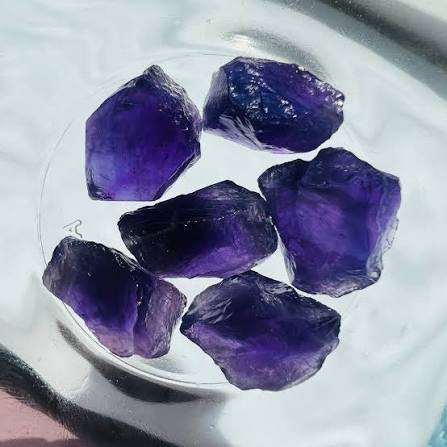
A Raw Amethyst Crystal retains its natural, unpolished form rather than being cut, shaped, or polished for a finished appearance. Its rugged surfaces, uneven edges, and naturally formed crystal faces give every specimen a distinctive character. Colors can range from soft lavender and pale violet to rich purple, depending on the individual stone.
Whether you are building a mineral collection, planning a creative jewelry project, decorating a personal space, or searching for a thoughtful handmade gift, Natural Rough Amethyst offers plenty of possibilities.
Unlike mass-produced decorative objects, each natural specimen can display its own combination of color, texture, crystal development, and transparency. This individuality makes a Purple Amethyst Stone appealing to both beginners and experienced collectors.
In this guide, you will discover what raw amethyst is, how it forms, its gemological properties, common uses, identification tips, care requirements, and the factors to consider before purchasing an unpolished amethyst specimen.
What Is Amethyst Rough Stone?
Amethyst is a purple variety of quartz, a common mineral found in many geological environments. An Amethyst Rough Stone is amethyst that remains in its natural or minimally processed state, without the extensive shaping and polishing associated with finished gemstones.
Raw amethyst may appear as individual crystal points, irregular mineral fragments, clusters of crystals, or pieces of amethyst-bearing rock. Some specimens have clearly defined crystal faces, while others have rough, broken, or weathered surfaces.
How Does Raw Amethyst Differ from Polished Amethyst?
- Raw amethyst: Retains much of its natural surface, crystal structure, and irregular shape.
- Tumbled amethyst: Has been mechanically smoothed and rounded, usually in a rotating tumbler.
- Polished amethyst: Has been shaped or polished to create a smoother, more reflective surface.
- Faceted amethyst: Has been cut into precise geometric facets to enhance its appearance in jewelry.
Raw Amethyst Gemstone specimens are particularly popular with people who appreciate natural mineral formations and want to see how a gemstone looks before lapidary processing.
Origin and Geological Formation of Natural Rough Amethyst
Natural Rough Amethyst forms over geological timescales through processes involving silica-rich fluids and suitable chemical conditions. It commonly develops in cavities, fractures, and geodes within volcanic rocks.
How Amethyst Crystals Form
Amethyst often forms when mineral-rich fluids enter cavities in volcanic rock. Under appropriate conditions, quartz crystallizes from these fluids and gradually develops on the cavity walls.
Some cavities eventually become geodes containing inward-growing crystals. Depending on the available space and the conditions during formation, the crystals may develop as individual points, dense clusters, or layers of crystal growth.
Amethyst is silicon dioxide, with the chemical formula SiO₂. Its purple color is associated with trace iron, natural irradiation, and the resulting changes in the mineral’s crystal structure.
The exact shade and distribution of color can vary according to geological conditions, including temperature, trace-element content, and the history of the specimen.
Where Is Amethyst Found?
Important amethyst-producing regions include:
- Brazil: Known for substantial amethyst deposits and geode material.
- Uruguay: Recognized for amethyst-bearing geodes and richly colored specimens.
- Zambia: A notable source of amethyst used in the gemstone trade.
- Madagascar: Produces a variety of quartz and amethyst specimens.
- Russia: Historically important for amethyst, including deposits in the Ural region.
- Other regions: Amethyst also occurs in several countries across Africa, Europe, Asia, and the Americas.
These locations describe general amethyst sources, not the confirmed origin of any particular product. The mine location of a specimen should only be stated when supported by reliable seller documentation or traceable sourcing information.
Physical and Gemological Properties of Amethyst
Amethyst belongs to the quartz mineral family and has properties that make it useful for jewelry, mineral collecting, and decorative applications.
The table below describes general properties of amethyst. Individual specimens can differ in appearance, and characteristics such as exact composition, treatment status, and geographic origin may require testing or documentation.
| Property | General Description |
|---|---|
| Mineral name | Quartz, purple variety known as amethyst |
| Chemical composition | Silicon dioxide (SiO₂) |
| Color variations | Pale lavender, lilac, violet, medium purple, deep purple, sometimes with color zoning |
| Mohs hardness | 7 |
| Crystal system | Trigonal |
| Transparency and luster | Transparent to translucent, occasionally opaque; typically vitreous or glass-like luster on suitable surfaces |
| Streak | White |
| Natural formation | Commonly crystallizes in cavities and geodes in volcanic rocks |
| Typical uses | Jewelry, mineral collections, decorative displays, lapidary work, educational specimens, and crafts |
What Does Mohs Hardness 7 Mean?
Amethyst has a Mohs hardness of 7, meaning it is harder than many common materials but can still be scratched by substances harder than quartz. Its hardness makes it suitable for many jewelry applications, although cuts, edges, and crystal points may chip or fracture under impact.
Hardness alone does not establish authenticity. Other minerals and synthetic materials can have similar apparent hardness, so reliable identification may require additional testing.
Color, Appearance, and Unique Features of Purple Amethyst Stone
One of the most attractive qualities of Purple Amethyst Stone is its natural color variation. Depending on the specimen, the purple color may appear subtle, bright, saturated, or unevenly distributed.
Common appearances include:
- Pale lavender: A soft, delicate shade suitable for understated displays.
- Lilac and violet: Medium purple tones often associated with classic amethyst.
- Deep purple: Rich, saturated coloration that can make a specimen visually striking.
- Color-zoned crystals: Areas of different purple intensity within the same crystal.
- Mixed formations: Purple crystals combined with colorless or milky quartz and natural rock matrix.
Natural rough specimens can vary significantly in shape, surface texture, transparency, crystal-point development, and overall appearance. Some have sharply defined points, while others contain fractured surfaces or irregular clusters.
These differences are part of the natural variation found in mineral specimens. They also mean that photographs may not fully represent a stone’s actual color or surface detail under different lighting conditions.
Benefits and Spiritual Significance of Amethyst
Amethyst has a long history of cultural, decorative, and spiritual significance. In ancient Greek tradition, the stone was associated with sobriety, and its name is derived from a Greek word connected with the idea of not being intoxicated.
In contemporary crystal traditions, amethyst is often associated with:
- Calmness and relaxation
- Mindfulness and meditation
- Clarity and reflection
- Spiritual symbolism and personal intention
- Creating a peaceful-looking environment
Some people place amethyst in meditation areas, keep it on a desk, or use it as a reminder to pause and practice mindfulness.
It is important to distinguish tradition from scientific evidence. These associations describe cultural beliefs and personal practices, not proven effects of the mineral. There is no reliable scientific evidence that amethyst itself treats medical conditions, guarantees emotional balance, attracts wealth, or produces supernatural results.
Its established appeal lies in its natural beauty, geological interest, cultural history, and value as a decorative mineral and gemstone.
Popular Uses of Amethyst Rough Stone
The natural form of rough amethyst makes it versatile for different interests and projects.
1. Crystal and Mineral Collections
Collectors appreciate rough amethyst for its crystal development, purple coloration, and geological formation. A specimen can be displayed individually or alongside other quartz varieties and minerals.
2. Jewelry Making and Lapidary Work
Experienced jewelry makers and lapidary artists may cut, shape, or incorporate suitable pieces into pendants, earrings, and other designs. Not every rough specimen is suitable for cutting, so internal fractures, crystal size, and material quality should be evaluated before processing.
3. Home and Office Decoration
An attractive raw crystal can serve as a natural accent on a bookshelf, office desk, display cabinet, or decorative shelf. Its irregular form can complement modern, rustic, and nature-inspired interiors.
4. Meditation Spaces and Spiritual Practices
Some people use amethyst as a visual focus during meditation or as part of a personal ritual. These are matters of individual preference and belief rather than scientifically demonstrated mineral effects.
5. Educational Geology Collections
Amethyst can help students explore quartz, crystal systems, mineral formation, hardness, and the geology of volcanic rocks and geodes.
6. Handmade Gifts and Craft Projects
Suitable specimens can be used in display arrangements, mineral-themed gifts, art projects, and other creative designs. Consider the stone’s size, stability, and surface condition when planning a project.
How to Identify Genuine Amethyst Rough Stone
Identifying genuine amethyst requires examining several characteristics together. Although visual clues can be helpful, appearance alone cannot guarantee that a stone is natural.
Signs to Examine
- Color: Genuine amethyst commonly displays lavender, violet, or purple coloration. Color may be unevenly distributed, although some natural specimens have relatively uniform color.
- Crystal structure: Amethyst may show the characteristic six-sided prism form and pointed terminations associated with quartz crystals.
- Inclusions: Natural specimens can contain mineral inclusions, internal fractures, or growth features. However, some natural stones are remarkably clear, and laboratory-grown specimens can also contain inclusions.
- Surface characteristics: Natural crystal faces may show growth patterns, irregularities, or areas of contact with surrounding rock.
- Hardness: Amethyst has a Mohs hardness of 7, but scratch testing can damage a specimen and is not recommended as a first-line identification method.
When Is Professional Testing Necessary?
For higher-value purchases, resale, or situations where authenticity is especially important, consult a qualified gemologist or gemological laboratory. Depending on the specimen, examination may include microscopy, refractive-index testing, spectroscopy, or other appropriate methods.
Ask the seller whether the stone has been identified as natural, whether treatments are known, and whether any supporting documentation is available. Do not assume that a certificate exists unless it has been provided.
Natural vs. Synthetic vs. Treated Amethyst
Not all purple quartz material has the same origin or processing history. Understanding these differences helps buyers make informed decisions.
| Type | Description | What Buyers Should Know |
|---|---|---|
| Natural amethyst | Formed through geological processes in the Earth | May contain natural growth features, inclusions, and color zoning |
| Laboratory-grown amethyst | Grown under controlled laboratory conditions | Can have essentially the same chemical composition and crystal structure as natural amethyst |
| Heat-treated material | Amethyst or related quartz material exposed to heat | Heating can change color; depending on conditions, purple amethyst may become yellow, orange, brownish, or nearly colorless |
| Other treated material | Material subjected to processes such as dyeing or other color modification, where applicable | The specific treatment should be disclosed when known and relevant |
Synthetic amethyst is not simply imitation glass: properly grown synthetic amethyst is crystalline quartz. Distinguishing it from natural material may require gemological testing.
Likewise, treatment does not automatically make a gemstone unsuitable. What matters is accurate identification and honest disclosure.
For an Amethyst Rough Stone purchase, the product description should clearly state whether the specimen is represented as natural, laboratory-grown, treated, or untreated. If its treatment status has not been verified, ask the seller rather than assuming it is untreated.
How to Choose the Best Amethyst Rough Stone
The best Natural Rough Amethyst depends on what you want to do with it. A collector may prioritize crystal formation, while a jewelry maker may focus on material quality and a home decorator may prefer size and visual impact.
Consider these factors before buying.
1. Choose Your Preferred Color
Decide whether you prefer pale lavender, medium violet, or deep purple. Look for clear photographs under neutral lighting, and remember that darker color does not automatically mean greater quality or value.
2. Check Size and Weight
Consider where you plan to display or use the stone. Larger specimens may create a stronger decorative impact, while smaller pieces can be practical for collections, crafts, and compact displays.
Confirm the actual dimensions and weight with the seller. These details should not be inferred from photographs.
3. Examine the Crystal Formation
Decide whether you prefer individual crystal points, a cluster, an irregular fragment, or a piece with a natural rock matrix. Crystal shape and development may be especially important to mineral collectors.
4. Assess Surface Condition
Look for the natural features you appreciate, but distinguish attractive crystal faces from damage that could affect your intended use. Chips, cracks, and broken terminations are not necessarily defects in a natural rough specimen, although they can affect suitability and price.
5. Consider Transparency
Some specimens are translucent or transparent in areas, while others are opaque. Greater transparency may matter for certain cutting projects, but it is not essential for every decorative or collecting purpose.
6. Match the Stone to Your Intended Use
- For collecting, prioritize mineral features and specimen aesthetics.
- For jewelry making, consider cuttability, fractures, and usable material.
- For home decor, focus on appearance, size, and stability.
- For education, select a specimen that clearly illustrates crystal formation.
7. Set a Realistic Budget
Compare specimens with similar size, weight, color, crystal quality, and condition. A large rough cluster and a small, well-formed crystal are not directly comparable based on weight alone.
8. Buy from a Reputable Seller
Look for accurate descriptions, clear product photographs, responsive customer support, and transparent shipping and return policies.
Ask about authenticity, known treatments, and geographic origin if these details are important to you. A seller should not claim a particular mine, certification, or treatment status without adequate support.
How to Clean and Care for Raw Amethyst
Proper care helps preserve the appearance of your Raw Amethyst Crystal.
Safe Cleaning Instructions
- Remove loose dust with a soft brush.
- If the specimen is suitable for water cleaning, use lukewarm water with a small amount of mild soap.
- Gently brush accessible surfaces without applying excessive pressure to crystal points or fragile areas.
- Rinse carefully with clean water.
- Dry thoroughly with a soft cloth and allow any remaining moisture to evaporate before storage.
Important precautions:
- Avoid prolonged exposure to direct sunlight, which can cause some amethyst to fade over time.
- Keep the stone away from extreme heat, which may alter its color.
- Avoid sudden temperature changes that can cause cracking.
- Do not use harsh chemicals, abrasive cleaners, or ultrasonic and steam cleaners, particularly when the specimen has fractures, attached matrix, or unknown treatments.
- Store the specimen separately from harder minerals or objects that could scratch or damage it.
If the specimen contains delicate attachments, coatings, or a porous rock matrix, ask a specialist about the most suitable cleaning method.
Amethyst Rough Stone Price and Value
The price of an Amethyst Rough Stone varies considerably according to its physical characteristics, quality, sourcing, and intended market.
Factors that may influence its price include:
- Size and weight: Larger specimens can cost more, but weight alone does not determine value.
- Color: Saturation, distribution, and visual appeal may affect desirability.
- Crystal quality: Well-developed points and attractive clusters may appeal to collectors.
- Clarity and condition: Transparency, fractures, damage, and the overall presentation can influence value.
- Origin documentation: A reliably documented locality may add collecting interest, but origin should not be assumed or invented.
- Treatment status: Natural, synthetic, and treated material may occupy different market categories.
- Specimen aesthetics: Shape, arrangement, contrast, and overall appearance can influence demand.
How Can You Estimate a Fair Price?
Compare current listings for similar specimens, taking note of actual weight, dimensions, crystal formation, color, condition, and shipping costs. Compare the same type of product rather than using the price of polished or faceted amethyst as a direct benchmark for rough material.
There is no single price that accurately represents every raw amethyst specimen. For the product featured on your store, the exact weight, dimensions, origin, treatment status, and current selling price must be confirmed by the seller before publication.
Treat amethyst primarily as a gemstone, mineral specimen, or decorative purchase rather than a guaranteed investment. Future resale prices and investment returns cannot be assured.
Why Buy Amethyst Rough Stones?
Natural rough amethyst offers an appealing combination of geological interest, rich purple color, and creative potential.
Here are some reasons to consider adding one to your collection:
- Natural individuality: Each specimen can differ in shape, color distribution, and crystal development.
- Versatile display options: Rough crystals suit mineral cabinets, desks, shelves, and decorative arrangements.
- Creative potential: Suitable material can be used in lapidary work, jewelry projects, and handmade crafts.
- Educational value: Amethyst provides a practical way to explore quartz and the processes behind mineral formation.
- Collecting appeal: Natural crystal forms offer features that polished stones may conceal or alter.
- Thoughtful gifting: A purple mineral specimen can make a distinctive gift for gemstone enthusiasts, geology students, and nature lovers.
When selecting your Raw Amethyst Gemstone, focus on the characteristics that matter most to you. A small crystal with an appealing formation may be just as satisfying to its owner as a larger decorative cluster.
Frequently Asked Questions About Amethyst Rough Stone
1. What is amethyst rough stone?
Amethyst rough stone is a naturally formed or minimally processed specimen of purple quartz. It retains its irregular shape and natural crystal surfaces rather than being cut and polished into a finished gemstone.
2. Is natural amethyst a real gemstone?
Yes. Natural amethyst is a genuine gemstone and a purple variety of quartz. It is valued for its color, durability, geological interest, and use in jewelry and decorative objects.
3. What is the chemical composition of amethyst?
Amethyst is composed primarily of silicon dioxide, with the chemical formula SiO₂. Trace iron and natural irradiation contribute to the processes responsible for its purple color.
4. Where is amethyst found?
Amethyst occurs in many parts of the world, including Brazil, Uruguay, Zambia, Madagascar, and Russia. The origin of a particular specimen should be confirmed through reliable sourcing information.
5. How can I identify genuine amethyst?
Examine its color, crystal structure, surface features, and inclusions. These characteristics provide useful clues but cannot guarantee authenticity. Professional gemological testing may be necessary to distinguish natural amethyst from synthetic or treated material.
6. Can raw amethyst be used for jewelry?
Yes. Suitable rough amethyst can be cut, shaped, or incorporated into jewelry designs. However, not every specimen is suitable for cutting because fractures, crystal size, and material quality can limit its usability.
7. How should I clean and store amethyst?
When appropriate for the specimen, clean it gently with lukewarm water, mild soap, and a soft brush. Dry it thoroughly and store it away from direct sunlight, extreme heat, harsh chemicals, and harder objects that could cause damage.
8. Does amethyst fade in sunlight?
Yes, some amethyst can gradually lose color after prolonged exposure to direct sunlight. To help preserve its appearance, display it away from strong, sustained sunlight.
9. What determines the price of rough amethyst?
Price depends on factors such as size, weight, color, crystal formation, clarity, condition, origin documentation, treatment status, and visual appeal. Compare similar specimens using current listings rather than relying on weight alone.
10. Is every rough amethyst stone unique?
Natural specimens often differ in shape, texture, crystal growth, and color distribution. Although two pieces can look similar, their individual formations and surface features may vary.
11. What is the difference between raw and polished amethyst?
Raw amethyst retains its natural or minimally processed surface, while polished amethyst has been smoothed to create a more finished appearance. Faceted amethyst has been cut into precise surfaces, usually for jewelry.
12. Are the spiritual benefits of amethyst scientifically proven?
No reliable scientific evidence establishes that amethyst produces supernatural effects or treats health conditions. Its associations with calmness, mindfulness, and spiritual practices are rooted in cultural traditions and personal beliefs.
13. Is raw amethyst suitable for beginners?
Yes. Raw amethyst can be an accessible starting point for a mineral collection because it illustrates a recognizable quartz variety in its natural form. Beginners should choose specimens that suit their budget, interests, and available display space.
14. How can I know whether amethyst has been treated?
Some treatments may be difficult to identify through visual inspection alone. Ask the seller for treatment disclosures and consult a qualified gemologist if confirmation is important. Do not assume that a specimen is untreated simply because it looks natural.
Conclusion: Explore the Natural Beauty of Amethyst Rough Stone
Amethyst Rough Stone brings together striking purple color, fascinating geological history, and a wide range of practical and decorative uses. From naturally formed crystal points to irregular mineral fragments, each specimen offers an opportunity to appreciate the complexity and beauty of the natural world.
Whether you are a gemstone collector, jewelry maker, geology enthusiast, or someone looking for a distinctive decorative accent, a Raw Amethyst Crystal can be a meaningful addition to your collection or creative projects.
Choosing the right specimen means considering more than color alone. Size, crystal formation, condition, intended use, authenticity, and price all help determine which stone best meets your needs.
Ready to explore natural rough amethyst? Browse our collection of purple amethyst stones and discover the specimen that suits your interests. Contact the seller to confirm available sizes, weights, current pricing, origin information, and any available authenticity or treatment documentation before placing your order.
