


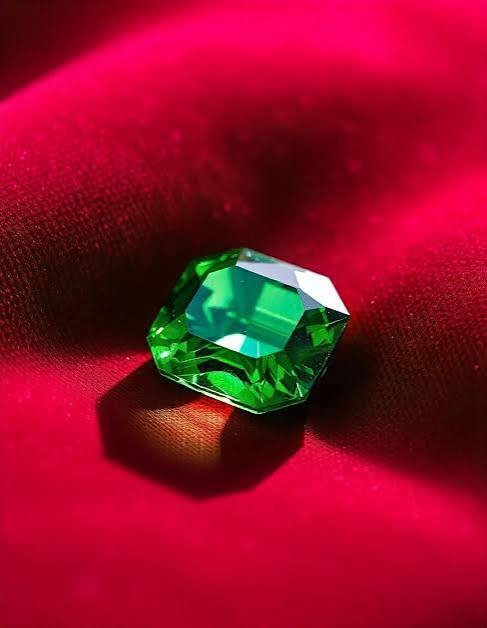
Introduction: The Timeless Appeal of Green Tourmaline
Few gemstones capture the refreshing beauty of nature quite like Green Tourmaline. With its rich green color, attractive brilliance, and elegant faceted appearance, this remarkable gemstone brings together natural charm and sophisticated style. Its vibrant shades evoke lush forests, fresh leaves, and the calming beauty of the natural world, making it an appealing choice for gemstone collectors and jewelry lovers alike.
Whether admired as part of a personal gemstone collection or selected for a distinctive piece of fine jewelry, Green Tourmaline offers a beautiful balance of color, character, and versatility. Its appeal lies not only in its appearance but also in the fascinating mineral properties and traditional symbolism associated with this gemstone.
For anyone looking to explore the world of colored gemstones, Green Tourmaline deserves a closer look. Its distinctive green hues can complement both contemporary and classic designs, allowing the stone to make a statement without losing its timeless elegance.
In this guide, discover what makes the Green Tourmaline gemstone special, how to understand its quality, what it symbolizes, and how to care for it so that its beauty can be enjoyed for years to come.
What Is Green Tourmaline?
Green Tourmaline is a green variety of tourmaline, a complex group of boron-containing silicate minerals known for their impressive range of colors. Tourmalines occur in shades of green, pink, red, blue, yellow, and many other hues, with some crystals displaying more than one color.
Green Tourmaline is particularly appreciated for its range of green tones, from soft, fresh greens to deeper forest-like shades. The exact appearance of an individual stone depends on its chemical composition, crystal structure, and the conditions under which it formed.
Sometimes associated with the trade name verdelite, Green Tourmaline is valued for its color, natural individuality, and suitability for faceted gemstones.
Each gemstone has its own visual character. Variations in color, transparency, inclusions, and internal reflections contribute to the distinctive appearance of individual stones.
A Green Tourmaline gemstone is therefore more than a decorative object. It is a natural mineral with a geological history, making it an appealing addition to a thoughtfully curated gemstone collection.
Mineral Properties and Geological Origin of Green Tourmaline
Understanding the properties of Green Tourmaline helps buyers appreciate both its natural beauty and its practical uses.
Mineral Composition and Hardness
Tourmaline is a mineral group rather than a single mineral species with one fixed chemical composition. Green varieties commonly belong to the elbaite or other tourmaline species, depending on their chemistry.
Key properties include:
- Mineral group: Tourmaline
- Typical green varieties: Green elbaite and other green tourmalines
- Chemical composition: Varies by species and composition
- Mohs hardness: Approximately 7–7.5
- Luster: Commonly vitreous, or glass-like
- Transparency: Ranges from transparent to opaque
- Crystal system: Trigonal
Its relatively good hardness makes Green Tourmaline suitable for many types of jewelry, including rings, pendants, earrings, and necklaces. However, hardness does not make a gemstone immune to damage. Strong impacts, unfavorable settings, and careless handling can still cause chips or fractures.
Where Does Green Tourmaline Come From?
Tourmaline occurs in several parts of the world, including Brazil, Afghanistan, Pakistan, Mozambique, Nigeria, and other mineral-producing regions. Green specimens may be found in different geological environments, particularly in pegmatites and certain metamorphic rocks.
The geological origin of a specific gemstone should be established through reliable documentation or appropriate testing when an origin determination is available.
Because the exact source of the featured stone has not been independently established here, no particular country or mining region should be assumed. Its individual origin should be confirmed from the seller’s product records or supporting gemological documentation.
The Color and Beauty of Green Tourmaline
Color is one of the most captivating qualities of Green Tourmaline. Its green shades create an immediate connection with nature while offering a sophisticated appearance suited to a wide range of personal styles.
Depending on the individual stone, green tourmaline can display fresh leafy tones, rich botanical hues, or deeper shades reminiscent of an evergreen forest.
The Appeal of a Faceted Cut
A well-executed faceted cut adds another dimension to the gemstone’s beauty. Carefully arranged facets interact with incoming light, creating flashes of brilliance and reflections that enhance the stone’s visual depth.
The result is a gemstone that can appear lively and expressive as it moves under different lighting conditions.
The quality of the cut influences how effectively light travels through and reflects from the stone. Symmetry, facet alignment, proportions, and the placement of the gemstone’s table all contribute to its overall appearance.
A beautiful faceted Green Tourmaline balances its natural color with an attractive presentation, allowing the gemstone to become the focal point of a jewelry design.
A Natural Green Gemstone with Individual Character
Unlike mass-produced decorative materials, natural gemstones can display individual characteristics formed over geological time. Color zoning, inclusions, and subtle variations are among the features that may distinguish one stone from another.
However, appearance alone cannot establish whether a particular gemstone is natural, laboratory-grown, or treated. Reliable product disclosures and appropriate gemological testing are important when that distinction matters to a buyer.
Green Tourmaline Benefits and Traditional Symbolism
Green Tourmaline has long appealed to people who associate gemstones with personal meaning, beauty, and symbolic value.
In modern crystal traditions and some contemporary interpretations of gemstone symbolism, green tourmaline is associated with growth, renewal, abundance, balance, and emotional harmony. Its green color is often linked symbolically to nature, vitality, and fresh beginnings.
These associations help explain why some people choose Green Tourmaline as a meaningful personal accessory or a thoughtful gift.
What Are the Traditional Green Tourmaline Benefits?
Commonly described symbolic associations include:
- Growth and renewal: Its green color evokes new leaves and the renewal of nature.
- Abundance and prosperity: Green gemstones are sometimes associated with opportunity and flourishing.
- Balance and harmony: Some crystal traditions connect green tourmaline with emotional balance.
- Personal expression: Wearing the stone can serve as a reminder of personal intentions, milestones, or aspirations.
It is important to distinguish these traditional beliefs from scientific evidence. There is no reliable scientific evidence that Green Tourmaline independently produces financial success, improves physical health, or treats emotional or medical conditions.
Its established value lies in its mineral characteristics, visual appeal, suitability for jewelry, and personal or cultural significance to its owner.
Green Tourmaline Jewelry: Elegant Styling for Every Occasion
One of the most attractive qualities of Green Tourmaline is its versatility. Its rich color can create a striking focal point while remaining elegant enough for everyday styling.
Rings and Statement Jewelry
A faceted Green Tourmaline can make a distinctive center stone for a cocktail ring, dress ring, or custom jewelry design. Its color pairs beautifully with yellow gold, white gold, platinum, and other complementary metals.
For rings intended for frequent wear, a protective setting and careful gemstone selection are especially important.
Pendants and Necklaces
A Green Tourmaline pendant allows the gemstone’s color and brilliance to take center stage. Minimalist settings create a clean, contemporary look, while decorative designs can emphasize its traditional elegance.
A pendant is also a versatile way to enjoy a colored gemstone without exposing it to as many impacts as a ring may experience.
Earrings and Personalized Designs
Green Tourmaline earrings can bring color and sophistication to both formal and casual outfits. Matching stones may be selected for a coordinated appearance, while intentionally contrasting stones can create a more individual design.
For collectors, a loose faceted gemstone also offers the opportunity to commission a personalized piece of jewelry tailored to their preferred metal, setting, and style.
How to Choose a Quality Green Tourmaline Gemstone
When purchasing Green Tourmaline, consider several important quality factors rather than relying on color or size alone.
1. Color
Color is often the first feature buyers notice. Look for a green shade that appeals to your preferences and appears attractive under different lighting conditions.
A desirable stone generally displays appealing color distribution without distracting unevenness. However, the ideal shade is subjective, and a deeper color is not automatically better than a lighter one.
2. Clarity
Clarity describes the presence and visibility of internal inclusions or external characteristics.
Many natural tourmalines contain inclusions, and their presence does not automatically mean a stone is poor quality. What matters is how noticeable the inclusions are, how they affect transparency, and whether they create structural weaknesses.
A gemstone with attractive color and good transparency may be appealing even when minor inclusions are visible.
3. Cut
Examine the symmetry, proportions, polish, and overall arrangement of the facets. A well-cut stone should have an attractive outline and balanced light performance.
A poorly proportioned cut may cause the gemstone to appear darker or less lively in certain areas.
4. Carat Weight
Carat measures gemstone weight, not its physical dimensions. Two gemstones with the same carat weight can look different in size because of their shape, depth, and proportions.
Choose a carat weight that suits your intended jewelry design and budget. The precise weight of the featured product should always be taken from its verified product specifications rather than estimated from a photograph.
5. Treatments and Natural Status
Some tourmalines undergo treatments to modify their appearance. Buyers should look for clear disclosure of any known treatment, along with information about whether the gemstone is natural or laboratory-grown.
Do not assume that a stone is untreated simply because it has an attractive color. Similarly, a photograph alone cannot establish its natural status.
If treatment information is unavailable, the seller should identify it as undisclosed or unverified rather than making an unsupported claim.
6. Certification and Gemological Reports
An independent gemological report can provide useful information about a gemstone’s identity and, where tested, its natural or laboratory-grown status and detectable treatments.
Reports vary in scope. Some also address geographic origin, but origin determinations are not available or conclusive for every gemstone.
Check that any certificate or report corresponds to the exact stone being purchased. Certification should be claimed only when valid documentation exists for the product.
How to Care for Your Green Tourmaline
Proper care helps preserve the appearance of Green Tourmaline jewelry over time.
Follow these simple recommendations:
- Clean gently: Use lukewarm water, mild soap, and a soft brush to remove everyday dirt.
- Rinse carefully: Make sure all soap residue is removed, then dry the gemstone with a soft, lint-free cloth.
- Avoid harsh chemicals: Keep the stone away from bleach, strong cleaning agents, and abrasive materials.
- Store separately: Place the gemstone in a soft pouch or a lined jewelry box to minimize scratches and contact with other pieces.
- Protect it from impact: Remove rings and other exposed jewelry before heavy work, strenuous activities, or situations where the stone may be struck.
- Use caution with cleaning equipment: Avoid ultrasonic or steam cleaning unless a qualified jeweler has confirmed that the particular stone and its setting can safely tolerate the method.
If the gemstone is mounted in jewelry, periodic professional inspections can help identify loose settings or other issues before damage occurs.
Why Choose This Green Tourmaline Gemstone?
For gemstone collectors and jewelry enthusiasts, Green Tourmaline offers a compelling combination of natural mineral character, rich green color, and elegant faceted appeal.
The featured product can be appreciated for the visual qualities shown in its product presentation, including its green appearance and faceted style. Its individual beauty makes it a potential choice for a personal collection, a custom jewelry project, or a meaningful gift.
Here is why Green Tourmaline deserves a place in your gemstone selection:
- Distinctive green appeal: Its botanical color offers an elegant alternative to more familiar gemstone shades.
- Faceted brilliance: A well-executed cut can highlight the stone’s natural color and visual depth.
- Design versatility: Green Tourmaline complements a wide range of jewelry styles and precious metals.
- Collector interest: Its mineral diversity and range of green hues make tourmaline an engaging gemstone to explore.
- Personal significance: Its traditional associations with growth and renewal can add meaning to a purchase.
For a confident buying decision, review the product’s confirmed specifications, including dimensions, carat weight, treatment disclosure, natural status, and any available certification. These details should be provided only when verified for the exact gemstone offered.
Choosing a gemstone with transparent documentation allows you to appreciate its beauty while making an informed purchase.
Conclusion: Bring Home the Timeless Beauty of Green Tourmaline
Green Tourmaline combines the refreshing color of nature with the elegance of a faceted gemstone. Its distinctive green hues, mineral character, and versatility make it an appealing choice for jewelry lovers, collectors, and anyone drawn to colored gemstones.
From understanding its geological properties to evaluating color, clarity, cut, carat weight, treatments, and certification, informed selection helps you recognize the qualities that matter most.
Whether you are expanding a gemstone collection, planning a custom jewelry design, or searching for a meaningful gift, Green Tourmaline offers a beautiful opportunity to celebrate individuality and timeless style.
Discover the featured Green Tourmaline gemstone today. Explore its visual details, review the available product specifications, and choose a gemstone that reflects your personal taste and appreciation for natural beauty.
Frequently Asked Questions About Green Tourmaline
1. What is Green Tourmaline used for?
Green Tourmaline is used primarily in fine jewelry, including rings, pendants, earrings, necklaces, and custom designs. It is also collected as a loose gemstone because of its distinctive color and mineral characteristics.
2. Is Green Tourmaline a natural gemstone?
Green Tourmaline occurs naturally as a mineral. However, the natural status of an individual product cannot be confirmed from its appearance alone. Buyers should check the seller’s disclosures and supporting gemological documentation when available.
3. What are the traditional Green Tourmaline benefits?
In some gemstone and crystal traditions, Green Tourmaline symbolizes growth, renewal, abundance, and harmony. These are cultural or spiritual associations rather than scientifically established effects. The gemstone is not a substitute for medical care.
4. Is Green Tourmaline suitable for everyday jewelry?
Yes, Green Tourmaline has a Mohs hardness of approximately 7–7.5, making it suitable for many jewelry applications. However, rings and exposed settings can be damaged by impacts, so protective settings and regular care are recommended.
5. How can I identify a quality Green Tourmaline gemstone?
Evaluate its color, clarity, cut, transparency, and carat weight. Also review the disclosure of any treatments and the stone’s natural or laboratory-grown status. An independent gemological report can provide additional confidence when it covers the characteristics you want verified.
